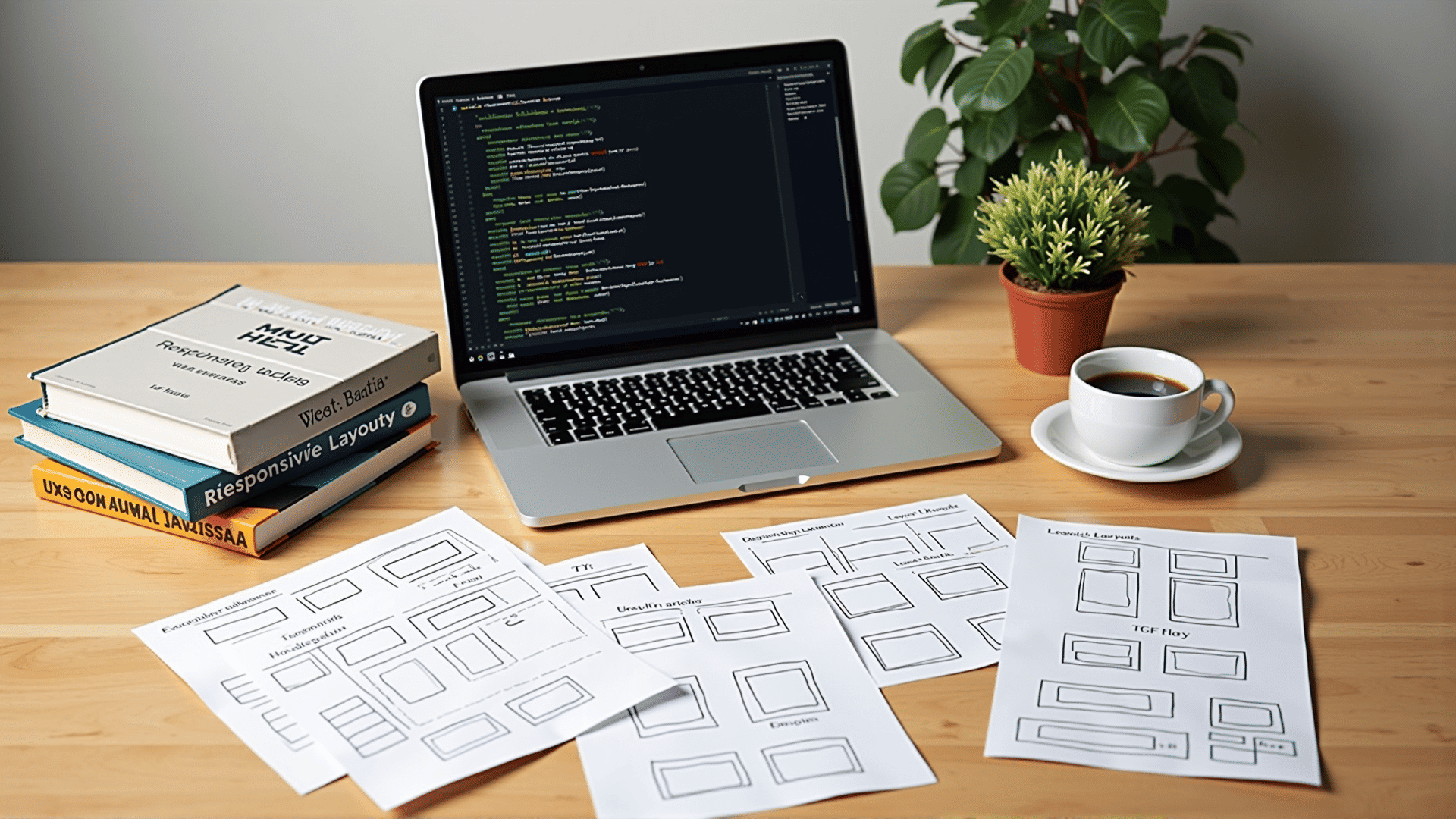
Learning the fundamentals of creating websites is an essential skill in today's digital world. At the core of effectively designing for the web are HTML, CSS, and essential layout techniques. These elements form the backbone of web development and enable you to craft attractive and functional sites.
HTML: The Structure of the Web
HTML, standing for HyperText Markup Language, is the standard language used to create web pages. Think of it as the skeleton of a webpage, providing its structure. HTML allows you to define elements such as headings, paragraphs, links, images, and more. By understanding HTML, you can organize content logically, making it accessible and user-friendly. Mastering this language is akin to learning the alphabet of web design, crucial for anyone aiming to develop a quality web presence.
CSS: Bringing Style to the Skeleton
While HTML gives structure, Cascading Style Sheets (CSS) adds style. CSS is responsible for the visual elements, transforming plain HTML into engaging and aesthetically pleasing designs. It allows you to alter colors, fonts, spacing, and positioning. By using CSS, you can ensure your website not only functions well but also attracts and retains viewers with its visual appeal. CSS helps in creating a cohesive look and feel, making your site's appearance consistent across various devices.
Foundational Layout Techniques
A well-designed layout is critical to guiding users through your content effortlessly. There are a variety of layout techniques you can use, from simple column structures to more complex grid systems. Flexbox and CSS Grid are two powerful layout systems that have become increasingly popular.
-
Flexbox is great for one-dimensional layouts, giving you control over the alignment, direction, and order of elements within a container. It simplifies tasks like centering items and creating dynamic layouts that adjust to different screen sizes.
-
CSS Grid offers a two-dimensional approach, allowing for intricate layouts by defining columns and rows. It’s ideal for complex designs that require equal spacing and alignment across both axes. CSS Grid provides a robust framework for creating responsive designs that look great on any device.
Understanding how to utilize these techniques will enable you to create layouts that enhance user experience, directing attention and facilitating navigation.
Conclusion
Mastering HTML, CSS, and foundational layout techniques forms the core of effective web design. These skills allow you to create sites that are not only functional and accessible but also visually compelling. By mastering these building blocks, you'll be well on your way to designing powerful and engaging web experiences. As technology continues to evolve, staying updated with these fundamental skills will ensure your designs remain relevant and impactful in the ever-growing digital landscape.